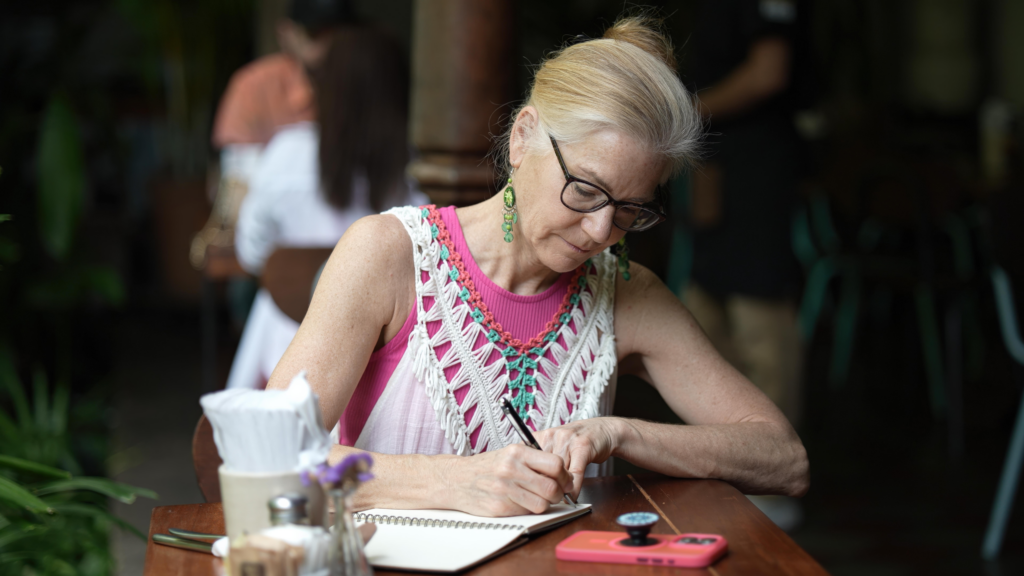
There comes a point in life—often quietly—when we begin to turn inward.
When we’re younger, we’re busy surviving. Building. Holding everything together. We move fast. We push through. We tell ourselves later.
But as women grow older, something softens. Something deepens. We begin to understand that our inner world matters just as much as the outer one.
That’s where journaling gently entered my life.
Not perfectly.
Not consistently at first.
But honestly—and with a depth I never expected.
Learning How to Journal (Not Knowing at First)
I didn’t grow up journaling. No one taught me how to write my feelings down or why it mattered.
Like many women—especially across different cultures and generations—I was taught to:
- Keep the peace
- Stay quiet
- Be strong
- Not talk about family matters
- Carry things privately
That strength served me in many ways.
But it also meant a lot stayed locked inside.
Journaling didn’t come naturally. It came as something I learned—and that’s important to say. You don’t need to be a writer. You don’t need the right words. You don’t need a method.
You just need a safe place to tell the truth.
Why Journaling Feels Different as We Age
As we grow older, journaling becomes less about recording life—and more about understanding it.
Mentally, writing slows the noise. Thoughts that swirl endlessly suddenly land on paper. Once they’re there, they feel less overwhelming.
Emotionally and spiritually, journaling gives voice to feelings we were taught to silence. It becomes a private, sacred space where you don’t have to explain yourself or protect anyone else’s emotions.
Physically, the act of writing by hand grounds the body. Your breath softens. Your nervous system settles. It’s a pause that feels like coming home.
Journaling When You’re Starting Over

Sometimes, as women, we don’t choose a new chapter.
We’re pushed into one.
Through divorce.
Through death.
Through betrayal.
Through life circumstances we never imagined.
Suddenly, we’re standing in front of mirrors we didn’t ask to face—mirrors that reflect truths we may not be ready for. The emotional, psychological, and physical impact of starting over can leave us feeling lost.
Lost in grief.
Lost in anger.
Lost in resentment.
Lost in quiet unhappiness.
I think of these emotions as quicksand.
We sink while waiting for someone to come along with a rope or a stick—something to pull us out.
What I learned is that journaling became that lifeline.
The Page as a Neutral, Safe Space

When I journaled during my darkest moments, I didn’t censor myself.
I poured everything onto the page:
- The darkness
- The fear
- The anger
- The insecurity
- The negativity
And here’s what surprised me most:
The page doesn’t talk back.
It doesn’t judge.
It doesn’t give opinions.
It doesn’t agree or disagree.
It doesn’t elevate you—or push you down.
It simply holds.
Days, months, even years later, you can return and read those words with new eyes. And suddenly, you see it:
Your growth.
Your healing.
Your strength.
Learning to Speak to Yourself With Compassion
One of the hardest lessons journaling taught me was how I spoke to myself.
There were pages filled with painful words about my body, my worth, my mistakes. When I read them later, I asked myself:
If I were looking at a five-year-old version of myself, would I speak to her this way?
The answer was no.
I would pick her up.
Hold her close.
Rock her gently.
Tell her she was safe.
Tell her this would pass.
Journaling helped me realize that I deserved that same compassion.
Speaking negatively to myself kept me in the quicksand. Learning to see myself gently helped me rise.
Rising, Even When Surrounded by Quicksand
This is what journaling means to me:
A soft, loving mirror.
A way to look honestly—without cruelty.
A place to forgive myself and release what was never mine to carry.
Even surrounded by quicksand, I learned I was capable of saving myself.
Like a phoenix, rising—not because the fire didn’t hurt, but because healing was possible.
Why This Matters at the Beginning of the Year

I wanted to share this now—not just because it’s a new year, and not just because this is about journaling.
But because looking at yourself differently—allowing yourself space, permission, and forgiveness—is how real change happens.
There are many lessons within this work, and this will not be the last article I write about journaling or internal growth. We’ll continue this conversation throughout the year.
My hope is that we learn together.
That we hold each other up.
That we believe in one another.
And that we walk into this beautiful 2026 stronger, softer, and more whole.
Choosing A Journal That Feels Right
You don’t have to write a masterpiece. You just have to write something. One honest sentence. One small truth. One quiet moment with yourself.
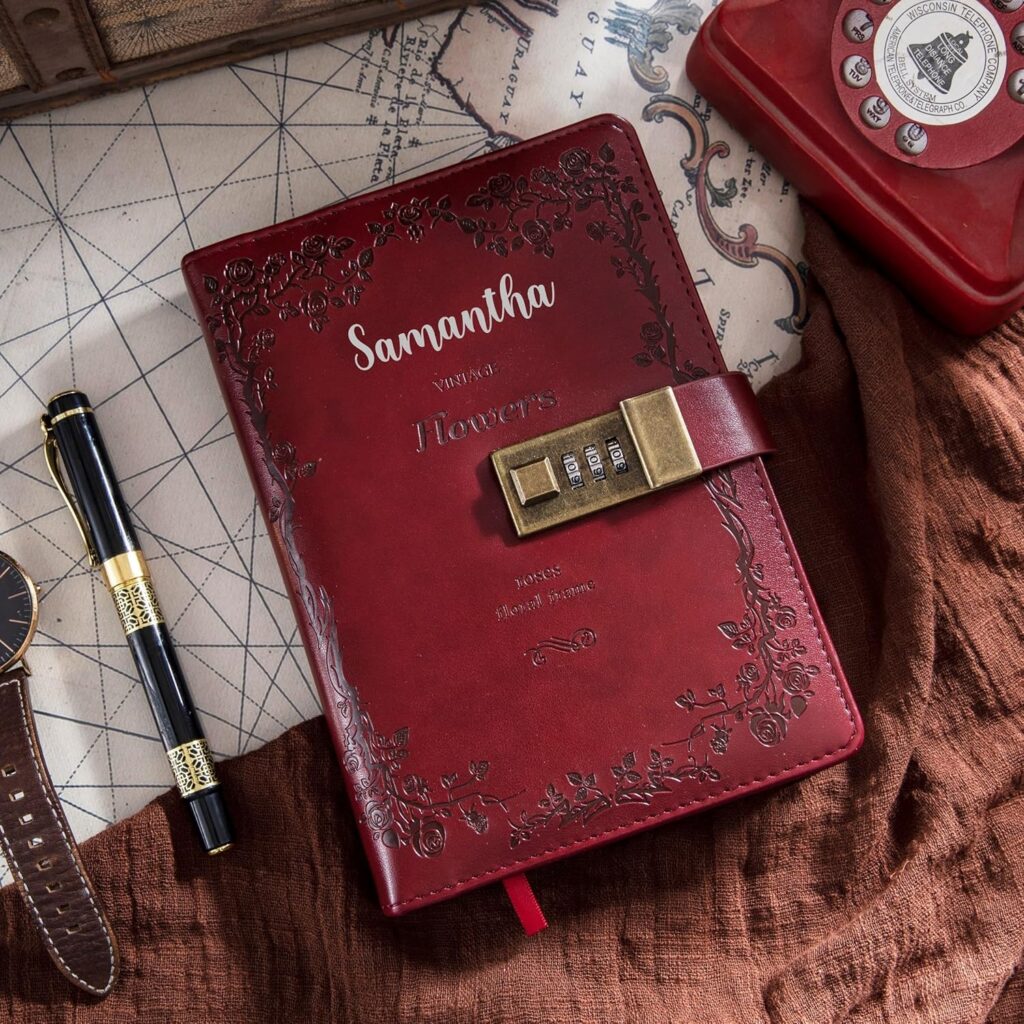
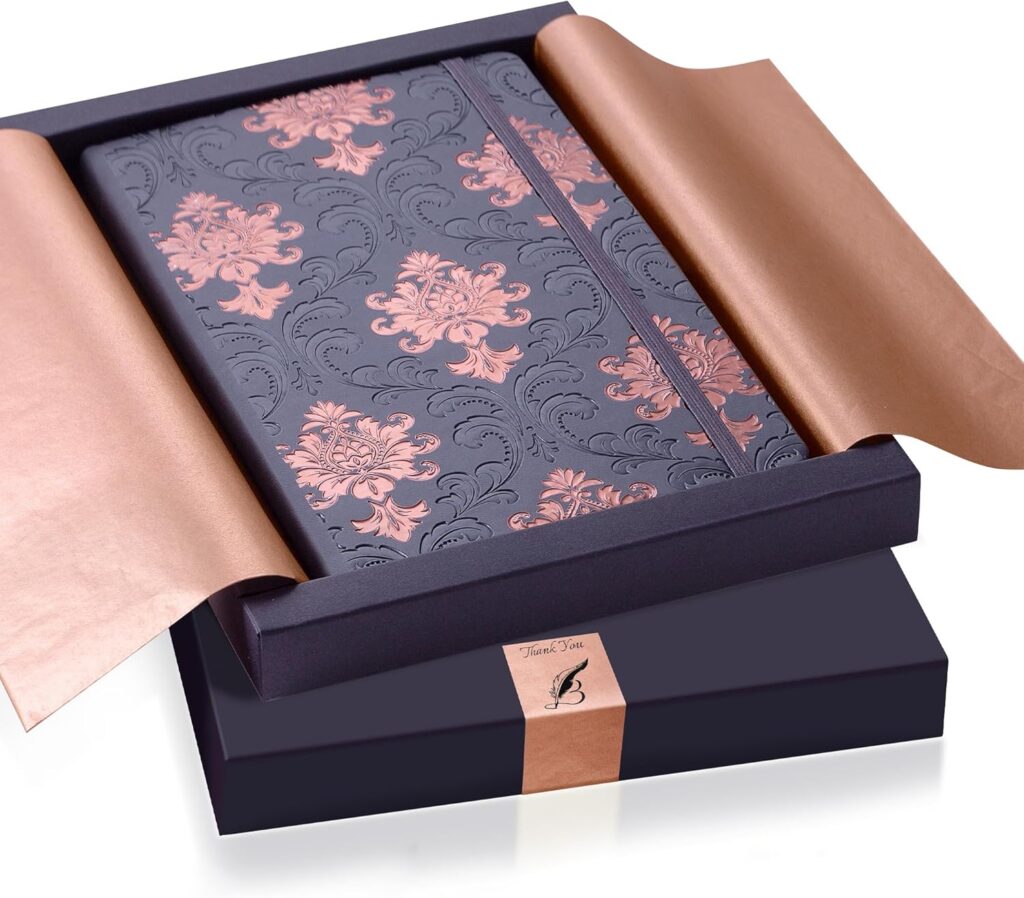
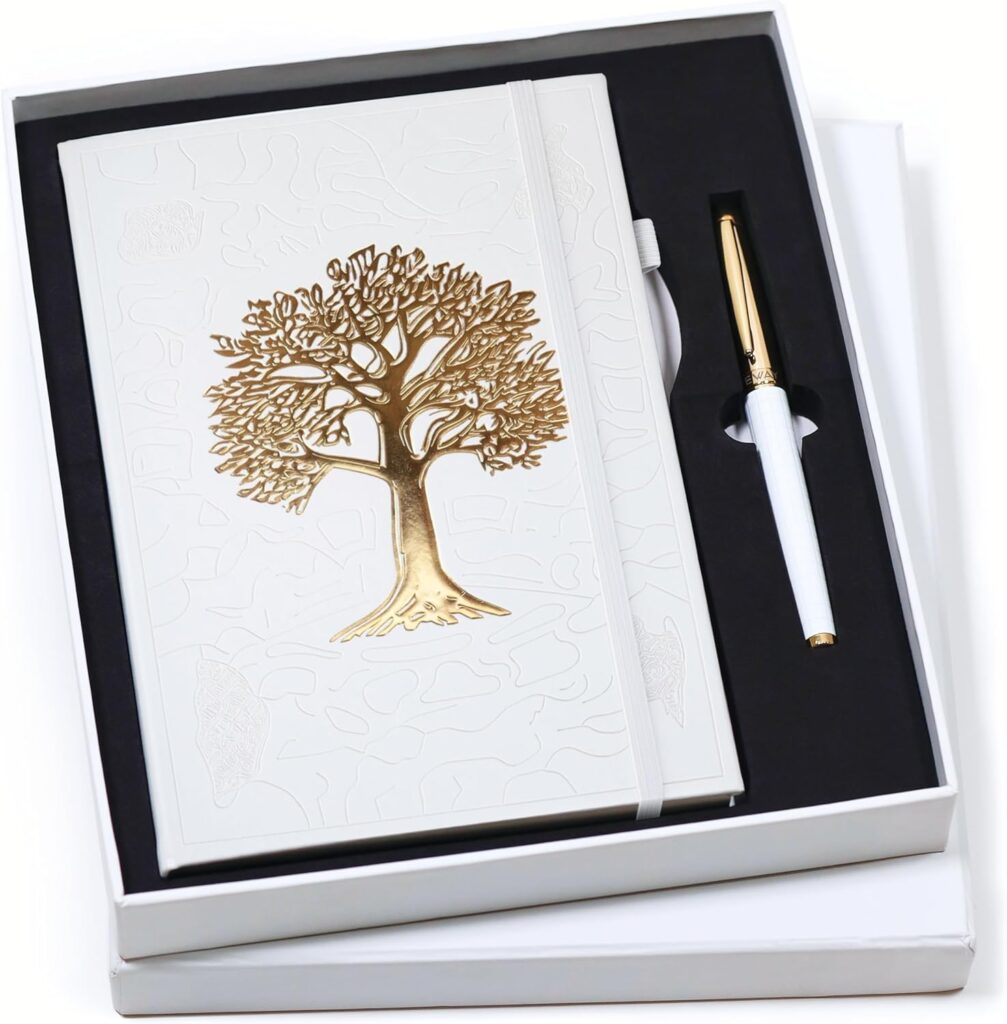
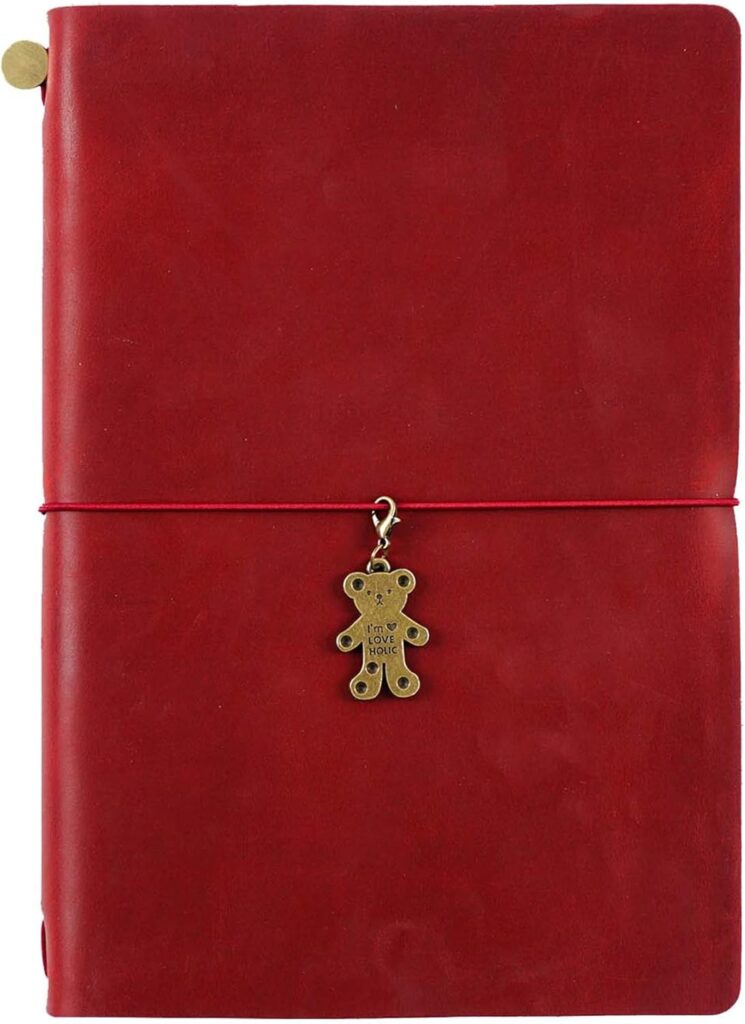
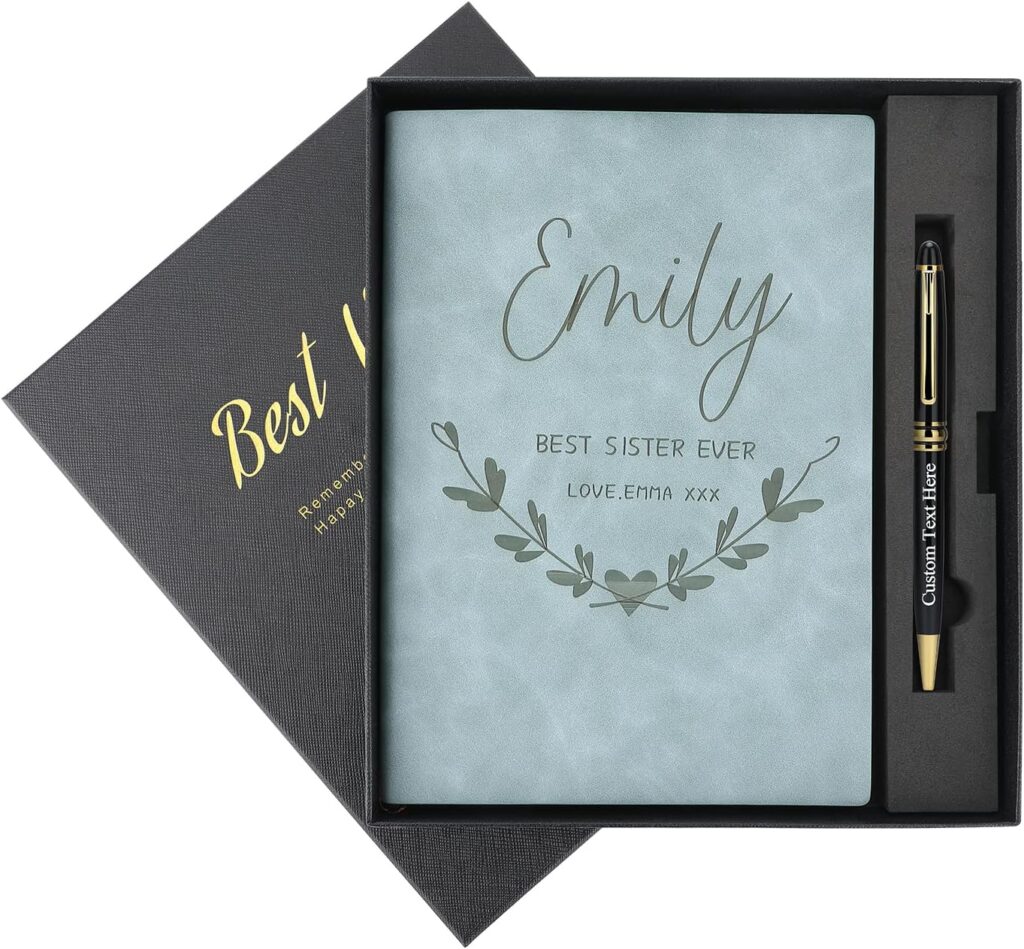
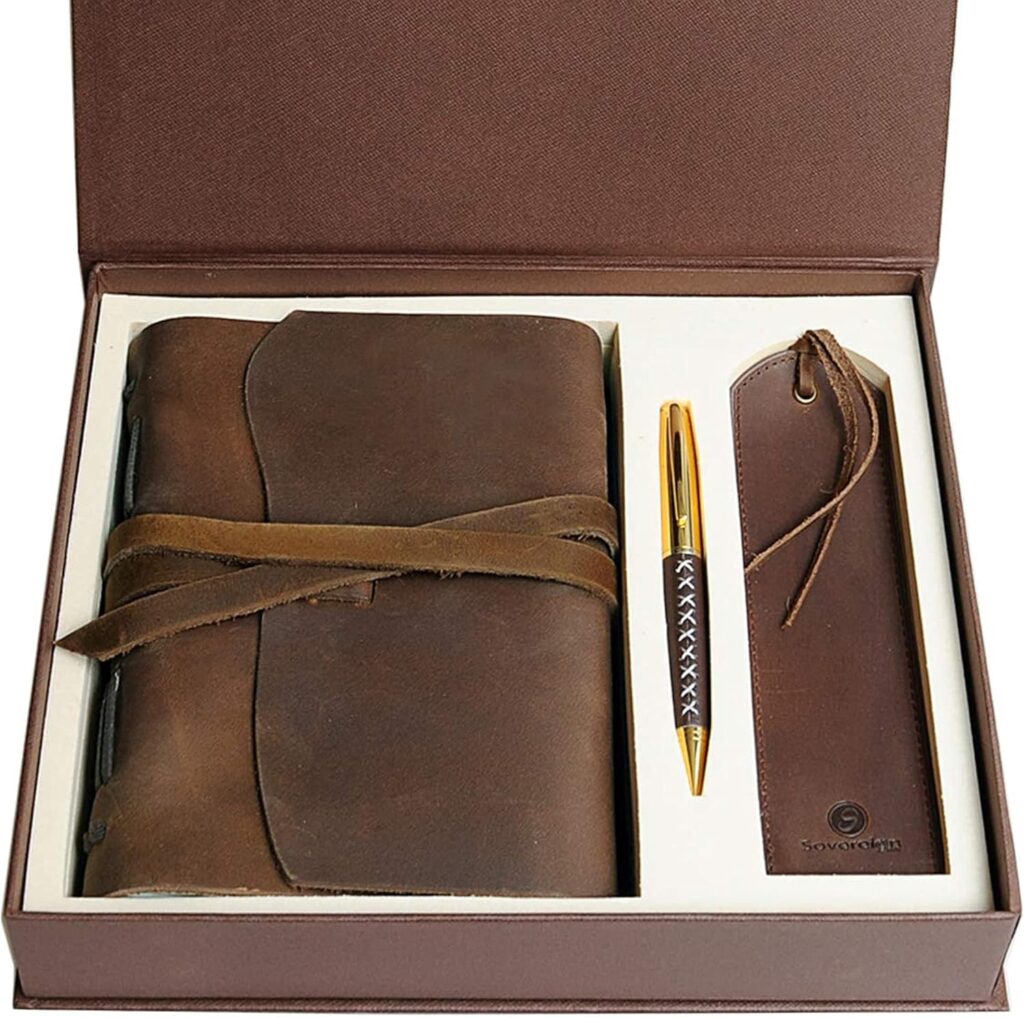
If you’re ready to start (or restart) your journaling practice, I’ve shared six of my favorite journals below—beautiful, comforting, and perfect for creating a little sacred space of your own.
(This post contains affiliate links. As an Amazon Associate, I earn from qualifying purchases. I only share products I genuinely love and use or believe add value to your life. Thank you for supporting BellaYin in this way.
My Favorite Journals for Starting or Restarting a Journaling Practice:
🤍 A Final Note From Me
If you’d like to share your story or leave a comment, please feel free to email me at [email protected]. I read every message and would be happy to respond.
These articles reflect my own experiences and viewpoint. I am not a doctor or psychiatrist—just a woman sharing her journey, hoping that in some small way, it helps someone else move forward and learn to truly enjoy their life again.
Journaling is more than just writing—it’s a way of coming home to yourself. Through some of the most difficult seasons of my life, it gave me a safe place to pour out my thoughts and feelings, and a quiet space where I could begin to understand who I was during—and after—big changes. In the next post, we’ll explore how this simple, beautiful practice can truly improve your quality of life, helping you feel more grounded, more clear, and more connected to yourself. I hope you’ll come back and continue this journey with me—one page, one breath, one honest moment at a time.